The Ultimate Guide to Edge Computing: Speed, Data, and the Future of the Cloud
Master Edge Computing: The definitive guide to processing data closer to the source for ultra-low latency and maximum speed. Explore how Edge is reshaping IoT, 5G, and the future evolution of cloud infrastructure

The Core Concept
Imagine a world where billions of devices—from self-driving cars and factory robots to smartwatches and security cameras—are all generating and consuming massive amounts of data in real time. If all that data had to travel hundreds or thousands of miles back to a centralized cloud data center for processing, the resulting lag (latency) would make real-time interaction impossible.
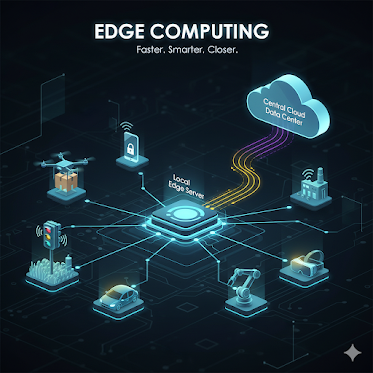
Edge Computing is the solution to this problem. It is a distributed computing framework that moves computation and data storage closer to the physical location where the data is being generated or consumed—the “edge” of the network.
Think of it this way: instead of a single, massive brain in the cloud handling everything, you have many smaller, faster “mini-brains” (edge servers, devices, or micro-data centers) situated right where the action is happening.
Edge vs. Cloud: A Necessary Partnership
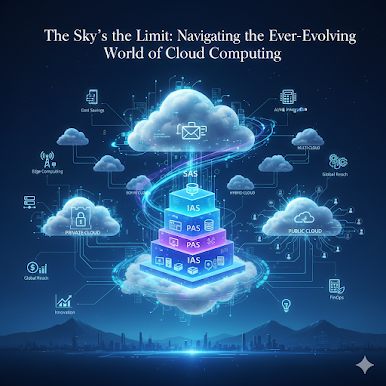
Edge computing is not a replacement for cloud computing; rather, it is a complement that creates a powerful, hybrid architecture.
| Feature | Cloud Computing (Centralized) | Edge Computing (Distributed) |
|---|---|---|
| Location of Processing | Distant, centralized data centers. | Close to the data source (on the device, a local server, or gateway). |
| Data Type Focus | Long-term storage, large-scale analytics, and machine learning model training. | Time-sensitive data, real-time filtering, and immediate decision-making. |
| Latency | Higher (due to data travel time). | Ultra-low (measured in milliseconds). |
| Bandwidth Use | High (sends all raw data to the cloud). | Low (only sends filtered, critical data to the cloud). |
| Key Advantage | Unlimited scalability, cost-effective bulk processing, global access. | Real-time responsiveness, reduced bandwidth costs, operational independence. |
Why Does Edge Computing Matter?
The shift to the edge is driven by three primary technological needs:
1. Ultra-Low Latency and Real-Time Action
For mission-critical applications, every millisecond counts. Autonomous vehicles need to process sensor data and decide to brake instantly, not wait for a round-trip to the cloud. Edge computing makes this real-time control possible.
2. Bandwidth and Cost Reduction
IoT devices generate petabytes of raw data (e.g., continuous video feeds, temperature logs). Sending all this data to the cloud is expensive and saturates network bandwidth. Edge devices can filter this data, sending only summaries or critical anomalies to the cloud, dramatically lowering transmission costs.
3. Reliability and Security
In remote areas (like oil rigs or construction sites), reliable internet connectivity is not guaranteed. Edge computing allows systems to continue operating even during network outages. Furthermore, sensitive data (like patient health records or surveillance footage) can be processed and anonymized locally, boosting data privacy compliance.
Real-World Examples of Edge Computing in Action
Edge computing is already transforming industries across the board:
1. Autonomous Vehicles
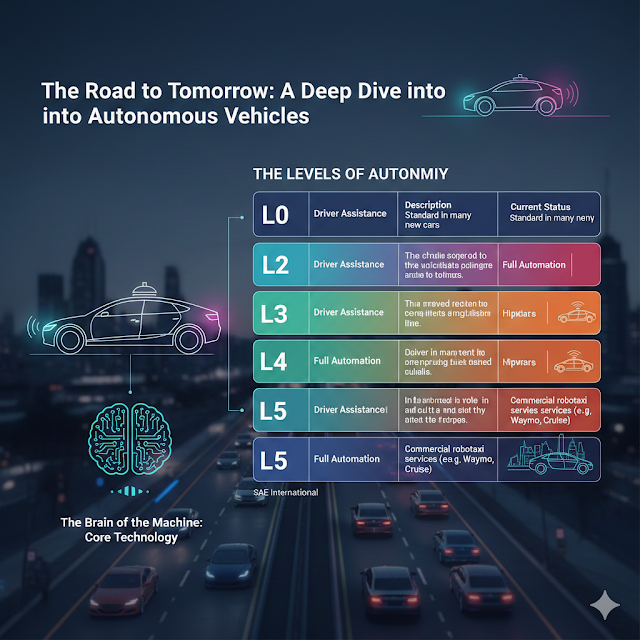
A self-driving car is the ultimate edge device. It collects continuous data from LIDAR, radar, and cameras. Processing this data locally allows the car to instantly detect obstacles, interpret traffic signals, and react to changing road conditions without relying on a distant server. A delay of even half a second could be catastrophic.
2. Manufacturing (Industrial IoT)
In smart factories, sensors monitor machines for vibration, temperature, and performance. Edge gateways analyze this data in real time to enable Predictive Maintenance. If a machine shows early signs of failure, the system can alert operators or shut it down instantly, preventing costly downtime, all without sending terabytes of sensor data to the cloud.
3. Retail (Smart Stores)
Stores like Amazon Go use edge computing to eliminate checkout lines. Cameras and sensors track which items a shopper picks up. The processing of these video feeds and inventory changes is done on local edge servers within the store. This local processing allows for near-instant billing and a seamless “grab-and-go” customer experience.
4. Healthcare
Wearable medical monitors and in-hospital patient tracking systems use the edge for real-time patient vital sign analysis. If a patient’s heart rate spikes, the local edge device or server can immediately notify doctors, rather than waiting for cloud processing, which can be critical in emergency scenarios.
Edge computing represents a paradigm shift in how we think about data and processing. By moving intelligence closer to where data is born, it unlocks truly real-time capabilities that are essential for the next generation of smart, connected, and autonomous applications. It’s the critical link enabling the massive scale of the Internet of Things (IoT) and the future of digital connectivity.